Oceania map quiz
Find all the countries in Oceania
Quizzes in this pack
Oceania: countries, capitals, flags, cities, seas, mountains, landmarks, islands, rivers.
| Countries | 15 questions |
| Capitals | 15 questions |
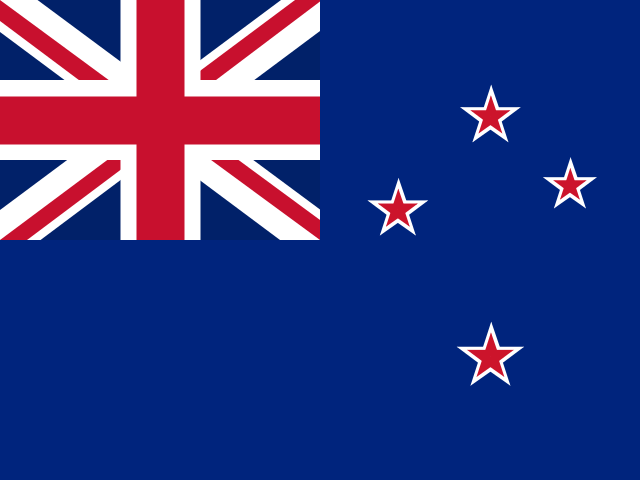
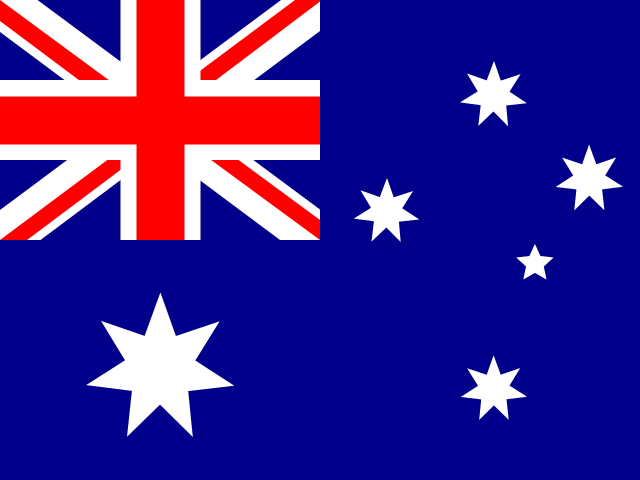
| Flags | 15 questions |
| Cities | 22 questions |
| Seas | 17 questions |
| Mountains | 11 questions |
| Landmarks | 8 questions |
| Islands | 8 questions |
| Rivers | 7 questions |
Countries by population and area
Mixed geography quiz: Oceania
Mixed brings together all the quizzes above in one round, 118 questions in all. Start with 10, choose a longer round, or try them all. See how much you know across the region and find out what you still need to learn.
Your answers count towards each quiz's progress, but not the leaderboards.
Play MixedSample questions
- Largest country in Oceania, an entire continent
- Answer: Australia
- Atoll nation in the central Pacific
- Answer: Marshall Islands
- French territory east of Australia
- Answer: New Caledonia
- Eastern half of the island of New Guinea
- Answer: Papua New Guinea
- Polynesian kingdom south of Samoa
- Answer: Tonga
Learn more
Coral Sea
Off the northeast coast of Australia
The Coral Sea lies off the northeast coast of Australia, between Queensland, Papua New Guinea, the Solomon Islands and Vanuatu. Along its western edge runs the Great Barrier Reef, the largest coral reef system on Earth, more than 2,300 km long.
- Area
- About 4.8 million km²
- Did you know?
- In 1942 the Battle of the Coral Sea was the first naval battle in which the fleets never saw each other: it was fought by aircraft
Lake Eyre
South Australia
Kati Thanda–Lake Eyre is the largest lake in Australia, but most of the time it is a dry, white crust of salt about 15 m below sea level. Only every few years do floods from the rivers of Queensland reach it and fill parts of it with water.
- Area
- Up to about 9,500 km² when full
- Did you know?
- When it fills, hundreds of thousands of pelicans fly in from the coast to breed
- Rings a bell?
- In 1964 Donald Campbell set a world land speed record of 648 km/h on its dry salt bed
Lake Torrens
South Australia
Lake Torrens is a long salt lake in South Australia, west of the Flinders Ranges. Most of the time it is a dry crust of salt and mud, and it has filled with water only a few times since Europeans arrived.
- Area
- About 5,700 km²
- Did you know?
- Early explorers thought the salt lakes here formed a great horseshoe-shaped barrier that blocked the way north
Blue Mountains
West of Sydney, New South Wales
The Blue Mountains rise just west of Sydney, a sandstone plateau cut by deep, forested valleys. At Katoomba the three rock pillars called the Three Sisters stand above the Jamison Valley, one of the best-known views in Australia.
- Known for
- The Three Sisters, deep valleys, eucalyptus forest
- Did you know?
- The blue haze that gives the mountains their name comes from oil given off by the eucalyptus trees
Maoke Mountains
Papua, the Indonesian part of New Guinea
The Maoke Mountains, also called the Sudirman Range, form the snowy backbone of western New Guinea, in Indonesia's Papua region. Puncak Jaya, the highest mountain between the Himalayas and the Andes, rises here, and small glaciers survive on it close to the equator, although they are almost gone.
- Highest point
- Puncak Jaya, 4,884 m
- Did you know?
- Lorentz National Park stretches from these glacier peaks all the way down to the mangroves on the coast
Sydney Opera House
Sydney, New South Wales
The Danish architect Jørn Utzon won the competition to design the opera house in 1957 with his roof of white shells. Building it took far longer and cost far more than planned, and Utzon left before it opened in 1973.
- Opened
- 1973
- Architect
- Jørn Utzon
- Did you know?
- The roof is covered with more than a million tiles
How it works
Pick a quiz, then find, name or choose your answer on the 3D globe. A round has 10 questions by default, or more, up to the whole quiz. Each round picks what you need most: questions due again, new ones and the places you tend to mix up. In a short round, the questions you miss are asked once more at the end. Spaced repetition then brings them back on later days until you know them.
Every round also fills your mastery badges for the continent or country, the topic and the whole world: bronze at 50%, silver at 80% and gold at 100%.